The Preschool Years
- trouble learning nursery rhymes
- difficulty learning and remembering letter names
- cannot recognize letters in their own name
- persistent mispronunciation or “baby talk”
- does not notice rhyming patterns (cat, bat, rat)
Dyslexia is a language-based learning difference that primarily affects reading and spelling. It is neurobiological, meaning it relates to differences in how the brain processes language and learns to read.
At its core, dyslexia often involves difficulty recognizing and working with the individual sounds in spoken words. For example, a child may have difficulty recognizing that cat is made up of three sounds: /k/ /ă/ /t/. Because learning to read depends on connecting sounds to letters, children with dyslexia may struggle with decoding, reading fluency, and spelling. Some may also have difficulty with word retrieval or reading longer words.
Dyslexia is not a reflection of intelligence, motivation, or effort. Children with dyslexia can be bright, creative, and capable while still finding reading unusually difficult.
Dyslexia is common and lifelong, but children can make significant progress with the right instruction. Explicit, systematic, structured literacy instruction helps students build the connections between sounds, letters, words, and written language.
Early support can make a difference, but it is never too late to help. Even as reading skills improve, some students may continue to read more slowly or with greater effort and may benefit from appropriate accommodations.
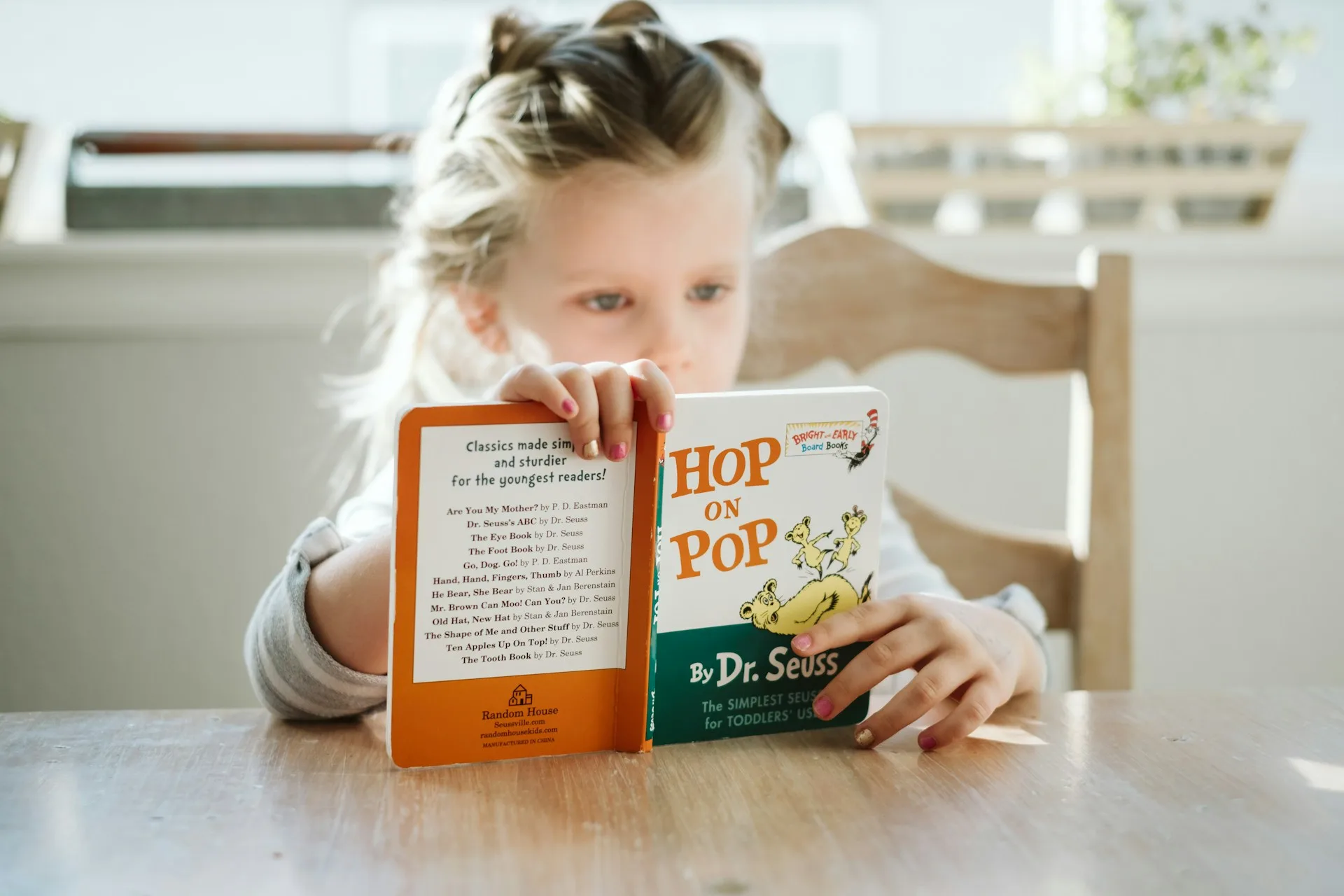
Every child is different. It is a cluster of signs, persisting over time and across settings, that is worth a conversation.
A few of these signs does not necessarily mean dyslexia.
Signs and symptoms adapted from Sally Shaywitz, M.D. and Jonathan Shaywitz, M.D., Overcoming Dyslexia, 2nd ed. (Knopf, 2020), as reprinted by the Yale Center for Dyslexia and Creativity (opens in a new tab).
The Orton-Gillingham approach (through IMSE) teaches reading and spelling skills explicitly and in a careful sequence, so each concept builds on the last. Lessons are multisensory, engaging sight, sound, and movement together, which helps skills take hold and last.
If you are seeing several of these signs, and they persist over time and across home and school, it is worth a conversation. A short, free discovery call is an easy way to talk through what you are noticing and whether structured literacy could help.